
Turning Captured CO₂ into Scalable Fuels & Chemicals
Explore the Technology
An integrated electrochemical platform producing synthesis-ready syngas
for aviation fuel, methanol, diesel and beyond.
View Applications
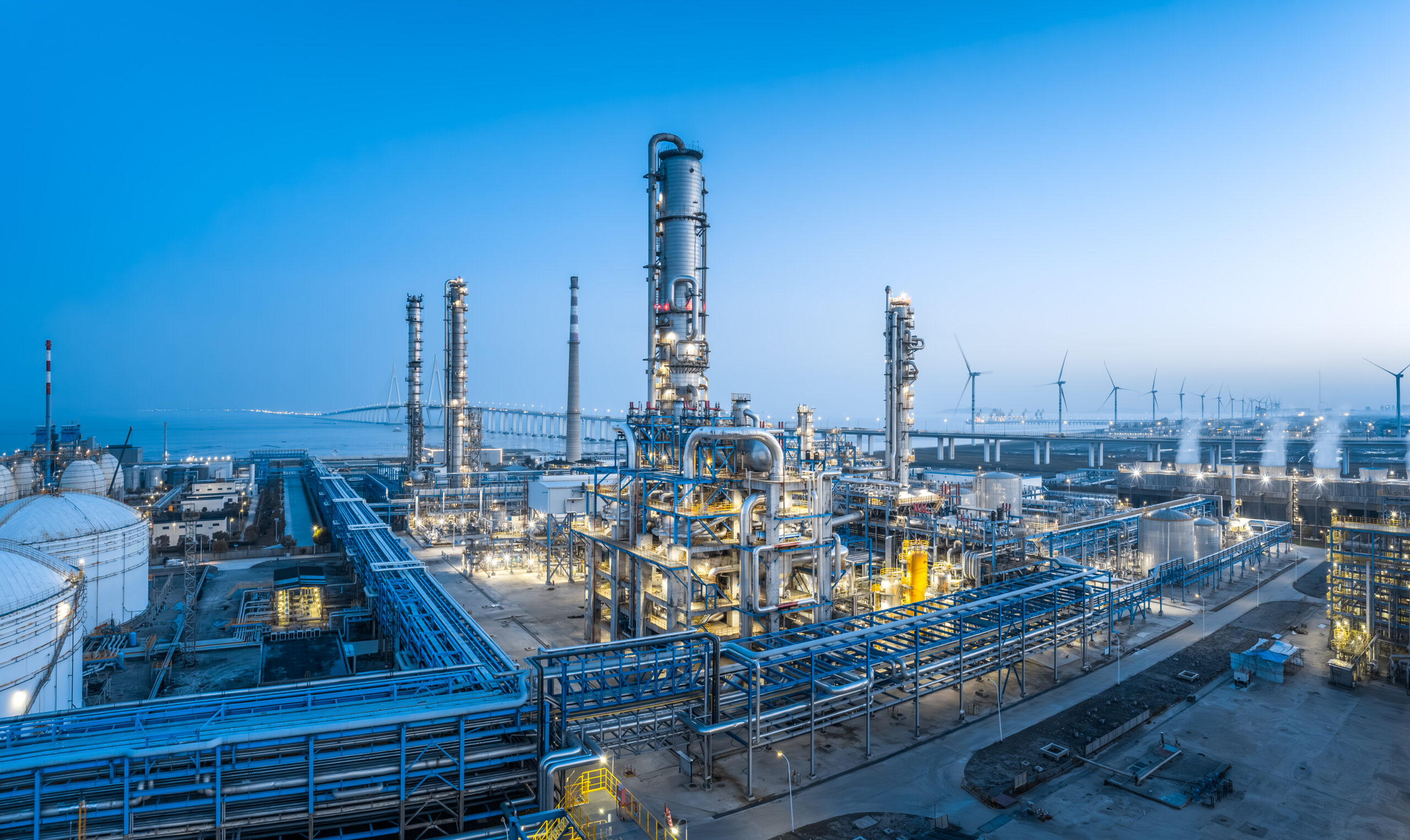
Engineered for Industrial Deployment and Direct Integration
Modular CO₂-to-syngas units designed for direct integration
with existing capture systems and downstream synthesis plants.
Explore the Technology
View Applications

Direct CO₂ Integration

Integrated capture-to-conversion architecture eliminating thermal desorption and compression steps.

Reduced System Complexity

Fewer unit operations compared to conventional RWGS-based pathways, enabling lower CapEx and OpEx.

Tunable Syngas Output

Adjustable H₂/CO ratio for seamless compatibility with existing FT and methanol synthesis infrastructure.

Modular & Electrified Design

Designed for renewable-powered operation and scalable industrial deployment.

Projects Completed In 3 Years
0
Happy Satisfy Customers
0
Awards Milestones Awarded To Us
0
Prototype Platform

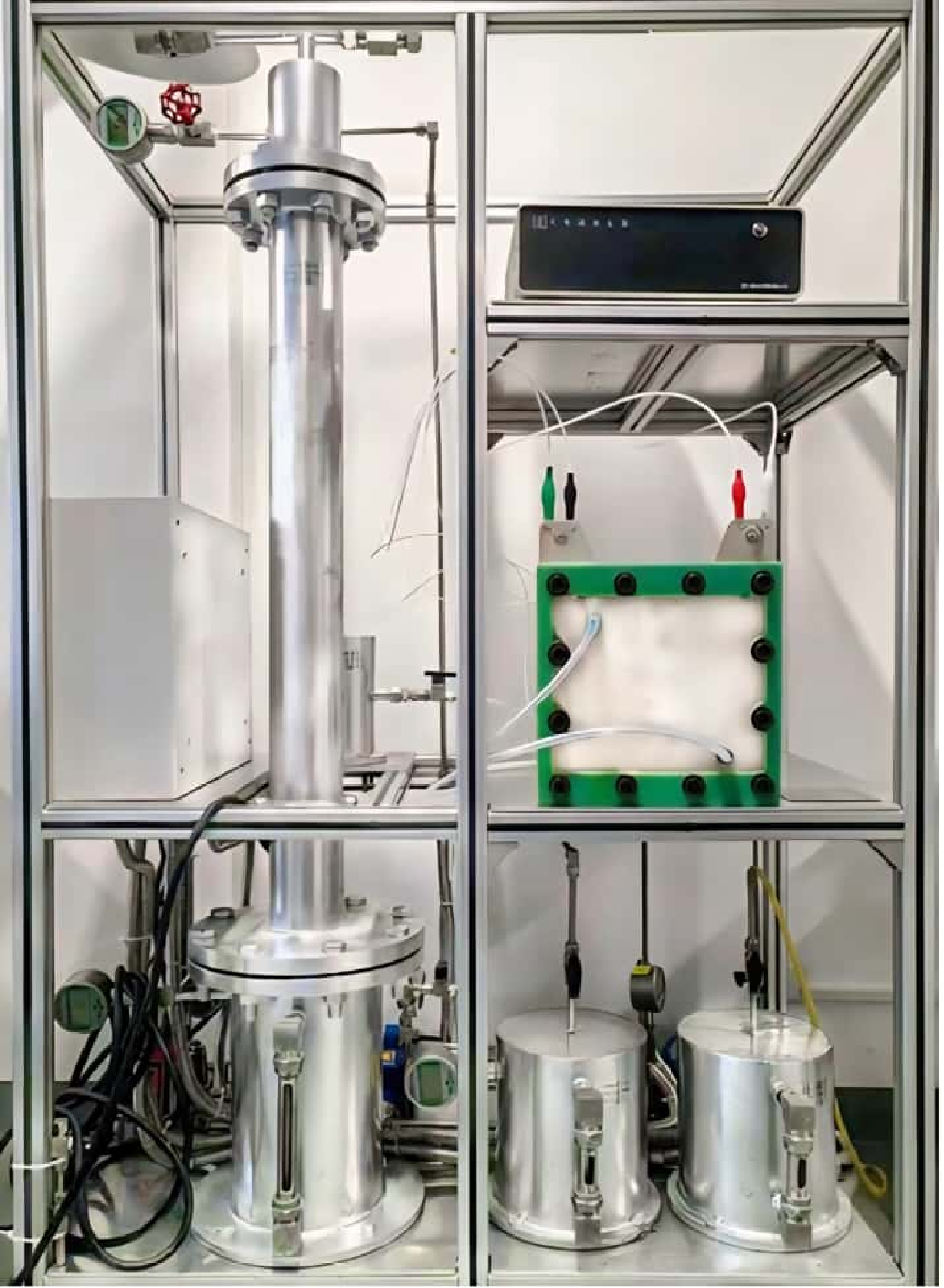
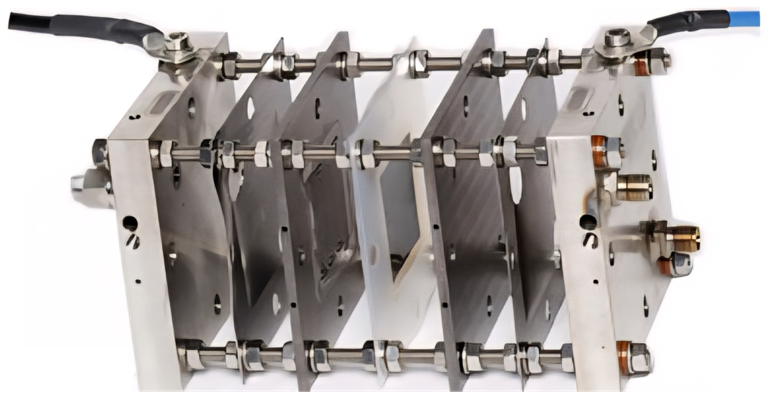
Integrated CO₂ Conversion Prototype (3 kW)

This laboratory-scale prototype demonstrates an integrated platform for carbon dioxide conversion. The 3 kW system combines gas handling, electrochemical modules and auxiliary units within a modular architecture. It serves as a validated research platform supporting scalable carbon utilisation pathways.

Platform Applications

Applications Enabled by the Integrated CO₂ Conversion Platform

Clean Syngas Production

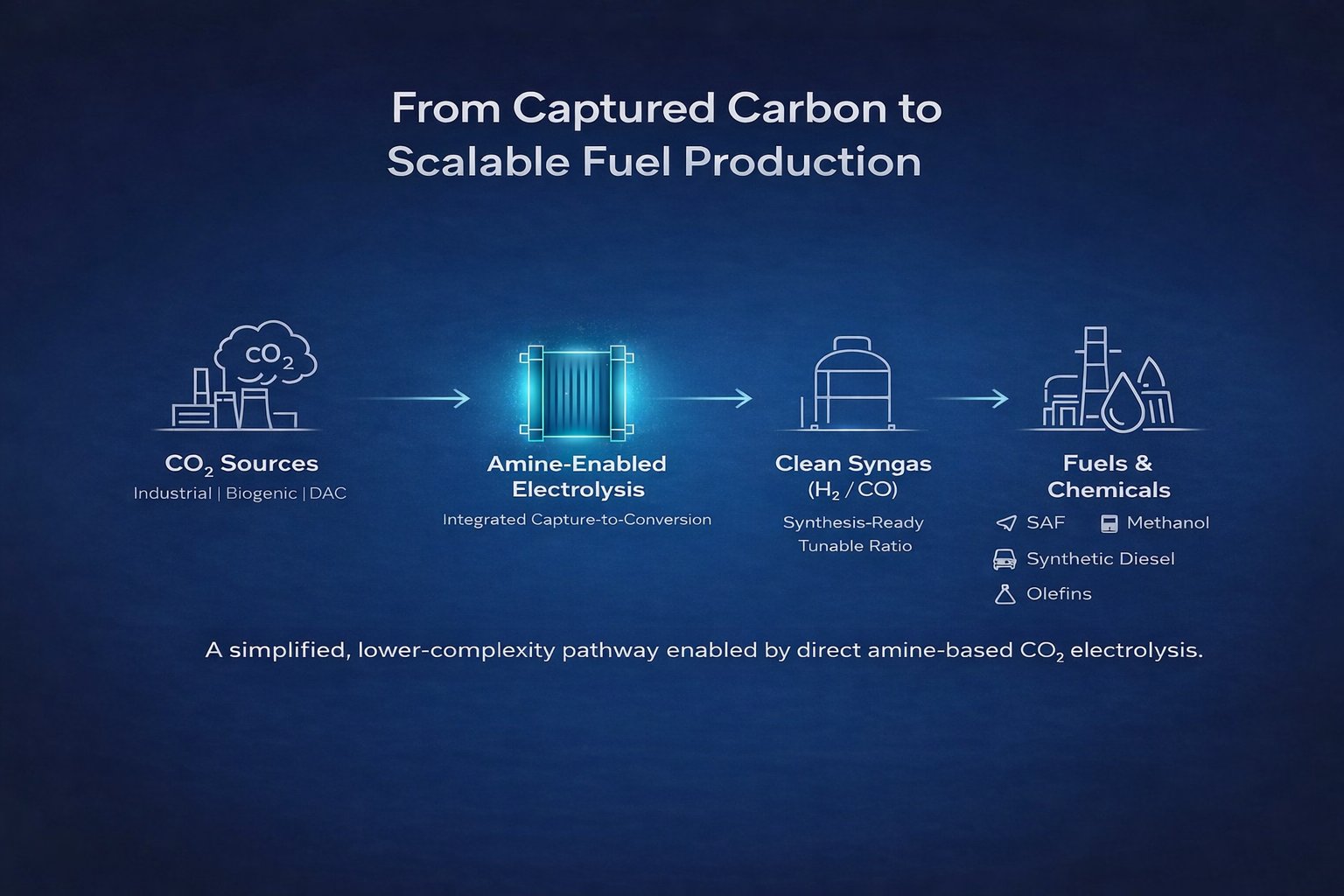
The integrated electrochemical platform converts captured CO₂ into synthesis-ready syngas (H₂/CO). The tunable ratio enables compatibility with established downstream fuel and chemical processes.

Sustainable Aviation Fuel

Clean syngas can be directed to Fischer–Tropsch synthesis and upgrading units for the production of low-carbon aviation fuels.The platform supports simplified capture-to-fuel integration.

Green Methanol

Synthesis-ready syngas provides a feedstock for methanol production, supporting low-carbon fuel blending and chemical manufacturing applications.

Synthetic Hydrocarbons

Through established downstream conversion routes, syngas can be upgraded into synthetic diesel, hydrocarbons, and olefin precursors for circular carbon applications.
Technical Considerations

Key Technical Questions and Design Responses

The primary gaseous products are hydrogen (H₂) and carbon monoxide (CO), forming synthesis-ready syngas. Only minor residual CO₂ is observed, with no detectable C₁ or C₂ hydrocarbon by-products under standard operating conditions. This ensures a clean output stream suitable for downstream synthesis processes.

Because the feedstock is liquid-phase and the electrolyser adopts a zero-gap architecture similar to alkaline water electrolysers, scale-up can be achieved through stack replication. This configuration enables straightforward modular expansion while maintaining electrochemical performance consistency.

The system operates as a CO-focused electrolyser. During electrochemical conversion of the captured CO₂ species to CO, water within the amine solution is simultaneously electrolysed to generate hydrogen. The resulting H₂/CO ratio can be tuned through catalyst selection and applied voltage control, allowing compatibility with different downstream synthesis requirements.

Testing has been conducted using amine-based post-combustion capture solutions containing typical nitrogen- and sulfur-derived species. Under controlled operating conditions, these species do not show measurable impact on electrochemical performance. The platform is therefore compatible with conditioned post-combustion CO₂ capture streams, including industrial flue gas and biogenic sources.

Contact Us

Collaborating on Scalable Carbon Conversion Pathways

We welcome engagement with industry, research institutions, and infrastructure developers exploring integrated carbon utilisation solutions. The platform is designed to interface with renewable energy hubs, bioenergy systems, and post-combustion capture streams. Collaborative development, system validation, and integration studies can be explored through structured partnership discussions.

Renewable Integration

Industrial Deployment

Research Collaboration

Initiate a Discussion

    Our Blogs

    Get The Latest Update
    And News

    Industry Engagement